
Asset-based financing
Equipment Financing for Machinery, Vehicles and Technology
Equipment financing helps you acquire the machinery, vehicles and technology your business runs on while keeping cash available for operations. The equipment usually secures the financing, and payments are spread over a period tied to its useful life.
Have a quote in hand? Start the application and an advisor will explain loan and lease options that may be available.
- What it is
- Financing for a specific piece of equipment
- Main structures
- Equipment loans and leases
- Collateral
- Usually the equipment being financed
- What you will need
- A quote or invoice from the vendor
Down payment, term and rate depend on the equipment, its age and resale value, the provider and your business profile.
The equipment helps secure the financing
With an equipment loan, your business owns the equipment and the lender holds a lien on it until the loan is repaid. Because the equipment secures the loan, providers may consider businesses that would not qualify for unsecured financing of the same size.
With a lease, the leasing company owns the equipment and you pay to use it. The end of the term depends on the lease: a $1 buyout lease is designed for you to own the equipment, a fair market value lease lets you buy it at its value then, return it or upgrade, and some leases set a fixed purchase option such as 10 percent of the original cost.
Terms are usually aligned with how long the equipment stays useful. The age of used equipment, specialized designs and soft costs such as installation, shipping or training can affect what a provider will finance.

Choose the equipment
Get a written quote or invoice from the vendor or dealer.
Apply
Share business details, recent bank statements and the quote.
Compare structures
Review the payment, term, down payment and end-of-term options for loans and leases.
Vendor is paid
Once documents are signed, the provider typically pays the vendor directly and the equipment goes to work.
What kind of equipment are you financing?
Choose a category to see what providers commonly consider and what to have ready.
Equipment category
General information only. Eligibility and structures depend on the provider and your business.
Excavators, loaders and lifts
What providers consider
Make, model, year, hours of use and resale value. Equipment with an active resale market is often easier to finance.
Common structures
Equipment loans and $1 buyout leases for long-term ownership. Fair market value leases where upgrading regularly makes sense.
Have ready
A quote or invoice with the serial number, plus condition and hours for used equipment.
Box trucks, vans and work vehicles
What providers consider
Vehicle type, age and mileage, and how the vehicle supports revenue. The provider is typically listed as lienholder on the title.
Common structures
Equipment loans, and TRAC leases for qualifying commercial vehicles, which set a residual value at the start of the lease.
Have ready
A buyer’s order or invoice with the VIN, and details of how the vehicle will be used.
Ovens, refrigeration and kitchen packages
What providers consider
Whether items are standard and resellable. Installed or custom items, such as hoods built into a space, may hold less resale value.
Common structures
Equipment loans and leases. Packages that combine equipment with installation may need a structure that covers soft costs.
Have ready
An itemized quote showing equipment, installation and delivery separately.
Imaging, treatment chairs and diagnostics
What providers consider
The practice’s revenue, the equipment’s useful life and how quickly the technology changes.
Common structures
Leases with upgrade options for technology that changes quickly. Loans or $1 buyout leases for equipment you plan to keep.
Have ready
The vendor quote and, for larger amounts, practice financial statements.
CNC machines, presses and production lines
What providers consider
The machine’s resale market, installation needs and how it adds capacity or lowers costs.
Common structures
Equipment loans and leases. A sale and leaseback can unlock value in equipment you already own.
Have ready
The quote and installation costs, plus a short explanation of expected output for larger purchases.
Computers, servers and point of sale
What providers consider
Technology loses value quickly, so terms are often shorter. Software and services may be financed only as part of a package.
Common structures
Fair market value leases that allow upgrades, or shorter loans for equipment you want to own.
Have ready
An itemized quote that separates hardware, software and services.
When equipment financing may make sense
It may fit when
- You are buying equipment that will produce revenue or reduce costs for years.
- You would rather preserve cash than pay the full price up front.
- The equipment has a clear value and resale market.
- You have a quote or invoice from a vendor or dealer.
Another option may fit better when
- You need funds for general operating expenses rather than a specific asset. Explore working capital
- The purchase mixes equipment with renovation and other costs. Explore term loans
- The equipment is part of a larger fixed asset project and you can wait for a fuller review. Explore SBA loans
- You need flexible access for recurring smaller purchases. Explore lines of credit
Equipment businesses commonly finance
Machinery and production equipment
Add capacity, replace worn machines or bring outsourced work in house.
Commercial vehicles
Trucks, vans and specialty vehicles that move your products or crews.
Restaurant and retail equipment
Ovens, refrigeration, displays and point of sale systems.
Medical and dental equipment
Imaging, treatment chairs and diagnostic tools.
Technology and office systems
Computers, servers, phone systems and networking gear.
Upgrades and replacements
Replace aging equipment before breakdowns interrupt work.
What providers typically review
Because the equipment secures the financing, its value matters alongside your business profile. Requirements vary by provider.
- The equipment
- Type, age, condition and resale value shape how much a provider will finance and for how long.
- Time in business and revenue
- Established businesses may qualify for larger amounts. Some providers consider newer businesses, often with a larger down payment.
- Credit
- Personal and business credit affect approval, rate and down payment.
- Down payment
- Some financing covers the full cost, while other offers require a down payment, especially for used or specialized equipment.
- Soft costs
- Installation, shipping, training and software may be limited or excluded.
- The seller
- Purchases from established dealers are usually simpler to document. Private sales may require extra verification.
Get the equipment working for your business.
Share your business details and the equipment you are considering. An advisor will explain loan and lease options that may be available, including the payment, term and end-of-term choices.
Loans, leases and what you pay over time
The cost of equipment financing depends on the rate, term, down payment, fees and what happens at the end of the term.
Terms to know
Equipment loan
Your business owns the equipment and repays the loan over the term. The lender holds a lien until it is paid off.
$1 buyout lease
A lease structured for ownership. At the end, you buy the equipment for a nominal amount.
Fair market value lease
Often a lower payment. At the end you can buy the equipment at its fair market value, return it or upgrade.
Fixed purchase option
A lease with a set purchase price at the end of the term, such as 10 percent of the original cost.
TRAC lease
A lease for qualifying commercial vehicles with a residual value set at the start. If the vehicle sells for more or less than the residual at the end, the difference is settled between you and the lessor.
Soft costs
Installation, delivery, training and software. Some providers include a portion of these; others do not.
Tradeoffs to weigh
- Lower lease payments can cost more in total if you buy the equipment at the end.
- Longer terms lower payments but should not outlast the equipment’s useful life.
- Used equipment may come with shorter terms or a larger down payment.
- Tax treatment differs between loans and leases. Confirm with your tax professional.
Hypothetical example
Two paths to the same machine
A business is weighing how to finance a $120,000 machine over 60 months.
- Loan payment at an example 9% rate
- About $2,491 a month
- Owner during a loan
- The business, with a lender lien
- $1 buyout lease
- Ownership for a nominal amount at the end
- Fair market value lease
- Often a lower payment; buy, return or upgrade at the end
Hypothetical illustration with no down payment, taxes or fees. Not an offer or a quote. Actual terms vary by provider, equipment and business.
What happens after you apply
Not sure whether to lease or buy? Start the application and an advisor will walk through both, or call to talk it through first.
Questions first? Call 619-387-5891Complete the application
Share details about your business and the equipment, including the vendor and estimated cost.
Send your documents
Provide your last four business bank statements and the equipment quote or invoice.
Review options with an advisor
Correia Financial identifies providers whose programs may fit and explains loan and lease offers side by side.
Provider review
The provider reviews your business and the equipment. Approval and final terms are the provider’s decision.
Sign and pay the vendor
After you sign, the provider typically pays the vendor and you take delivery.
Loans, leases and term loans compared
| Feature | Equipment loan | Equipment lease | Term loan |
|---|---|---|---|
| Who owns the equipment | Your business, with a lien until repaid | The leasing company during the lease | Your business; the loan may be secured by other assets |
| End of term | You own it free of the lien | Buy, return or upgrade, depending on the lease | The loan is repaid |
| Collateral | The equipment itself | The equipment, which the lessor owns | Often a general lien on business assets |
| Upfront cash | A down payment may be required | Often one or more payments in advance | Varies by provider |
| Best suited for | Equipment you plan to keep for years | Technology you upgrade often, or lower payments | Projects that mix equipment with other costs |
General comparison. Features vary by provider and agreement.
Equipment financing questions
Related financing
Related reading
Sources
- IRS: Publication 946, How to Depreciate Property
- IRS: Tax year 2026 inflation adjustments (IR-2025-103)
Reviewed October 12, 2026
What is the difference between an equipment loan and a lease?
With a loan, your business owns the equipment and the lender holds a lien until it is repaid. With a lease, the leasing company owns the equipment and you pay to use it, with end-of-term options that depend on the type of lease.
Can I finance used equipment?
Often, yes. Providers look at age, condition, hours of use and resale value. Used equipment may come with a shorter term or a larger down payment.
Do I need a down payment?
It depends on the provider, the equipment and your business profile. Some offers finance the full cost, while others require a down payment.
Can soft costs like installation be financed?
Some providers include a portion of soft costs such as installation, delivery and training. Ask for an itemized quote so these costs can be reviewed.
Can I deduct financed equipment on my taxes?
Possibly. The IRS treats you as owning property even when it is subject to debt, so financed equipment can qualify for Section 179 expensing or bonus depreciation in the year it is placed in service. For tax years beginning in 2026, the maximum Section 179 deduction is $2,560,000, reduced once qualifying purchases exceed $4,090,000, and 100 percent bonus depreciation was reinstated for qualifying property acquired and placed in service after January 19, 2025. Leases are treated differently depending on their terms. A tax professional can advise on your situation.
Who pays the vendor?
In many cases the provider pays the vendor directly after the documents are signed and the equipment is confirmed.
Learn before you apply
Guides that answer the questions owners ask about this kind of financing.
 Industry Guides
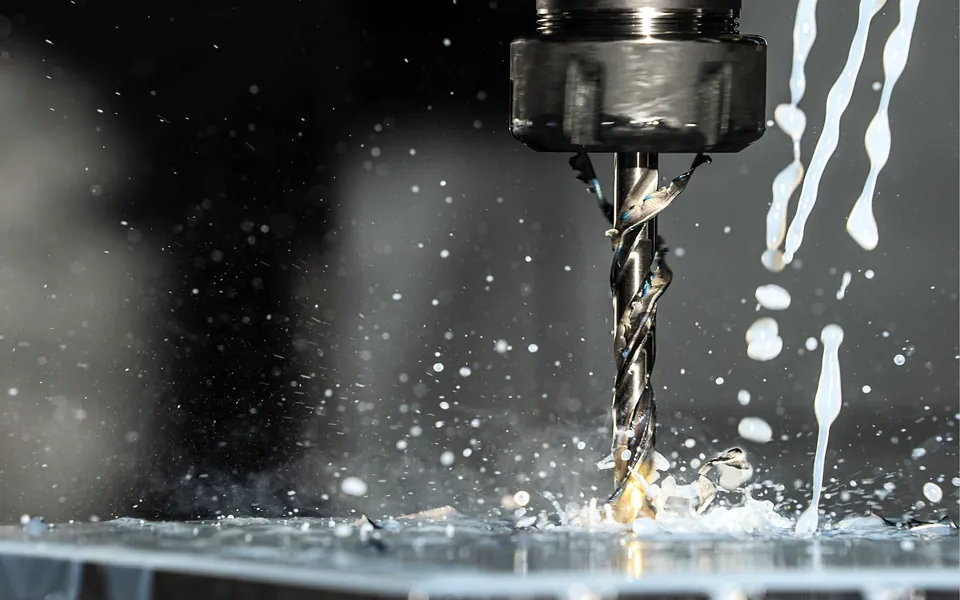
Machine shop financing: evaluating a CNC purchase
Judge a CNC machine by the hours it will cut, its full installed cost and when payments start, then compare loan, lease and SBA routes.
 Industry Guides
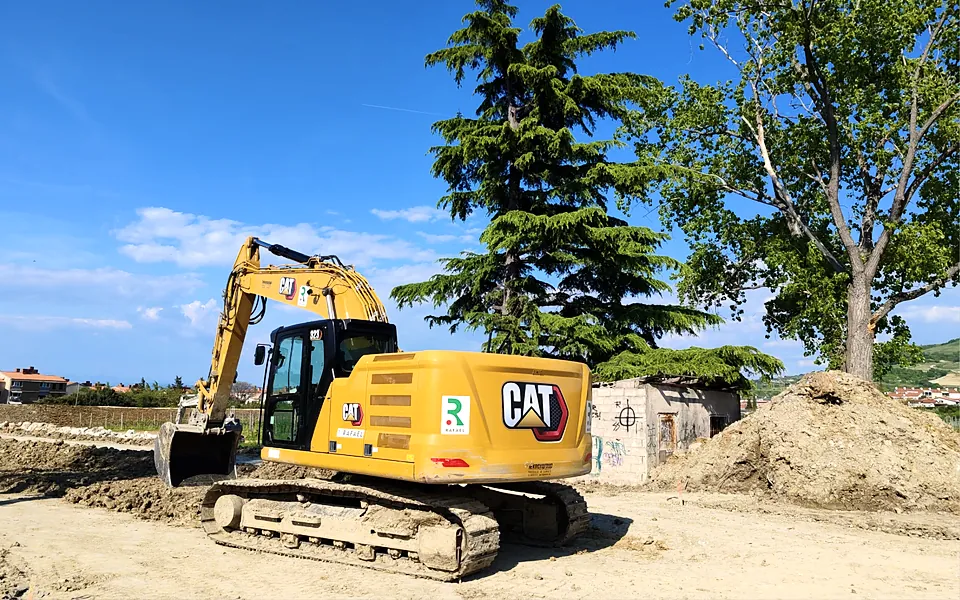
Concrete and excavation equipment financing
Test a heavy equipment purchase against billable hours and project payment timing, then compare buying, leasing and renting on full cost.
 Qualification & Credit
Business loan requirements: what to prepare before applying
What providers review and which documents to gather for working capital, lines of credit, term loans, equipment, factoring and SBA loans.
More guides on this topic
Put the Right Equipment to Work.
Whether you’re adding capacity, replacing aging machines or outfitting a new location, start by exploring financing built around the equipment you need. Share your business details and your quote so Correia Financial can review potentially available options and help you compare loans and leases.
Complete the application, provide your last four business bank statements and share the equipment quote or invoice for an initial review. Additional documents may be required.
Correia Solutions LLC dba Correia Financial is a business financing brokerage, not a lender. Availability and terms depend on each provider's requirements and underwriting. Applying does not guarantee approval or funding.